
Dihydrocodien Tablets
Dihydrocodien Tablets: Uses, Dosage, Benefits, and Side Effects Explained

Aug
Dihydrocodien Tablets: Uses, Dosage, Benefits, and Side Effects Explained
Introduction
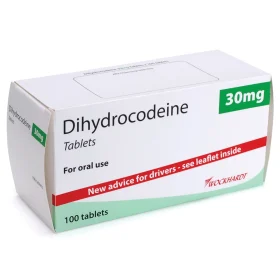
Dihydrocodien Tablets Uses Dosage , more commonly known in many countries as Dihydrocodeine, are prescription opioid medicines used to manage pain that does not respond well to standard painkillers such as paracetamol or ibuprofen. Because of their strength and effectiveness, they are widely prescribed in cases of moderate to severe pain, but they must be taken with caution due to risks such as drowsiness, constipation, and potential dependence.
In this article, we’ll explore in depth the uses, dosage, benefits, and side effects of Dihydrocodien tablets, providing patients and caregivers with clear, reliable information.
What Are Dihydrocodien Tablets?
Dihydrocodien is a semi-synthetic opioid related to codeine. It works by binding to opioid receptors in the brain and spinal cord, altering how pain signals are perceived and reducing the sensation of discomfort.
It is available in different strengths and formulations, including:
-
Immediate-release tablets (for quick pain relief)
-
Modified-release tablets (for longer-lasting relief, usually up to 12 hours)
-
Combination tablets (sometimes paired with paracetamol for stronger effect)
Because Dihydrocodien acts on the central nervous system, it is effective but also requires careful medical supervision.
Medical Uses of Dihydrocodien Tablets
1. Pain Relief
The primary use of Dihydrocodien is in pain management. Doctors may prescribe it for:
-
Moderate to severe musculoskeletal pain (fractures, arthritis, back pain)
-
Post-surgical recovery pain
-
Chronic pain disorders (when non-opioid painkillers are not effective)
-
Cancer-related pain management, especially in palliative care
2. Cough Suppressant
Like codeine, Dihydrocodien can also reduce coughing. In some regions, low doses are used for persistent, dry coughs that do not respond to standard treatments.
3. Short-Term Diarrhea Management (Uncommon)
Due to its effect on slowing bowel movement, it may occasionally be prescribed for severe diarrhea, though this is not a common use today.
Dosage Guidelines for Dihydrocodien Tablets
⚠️ Important: The exact dosage depends on the patient’s age, condition, pain level, and doctor’s assessment. The following information is educational only and not a substitute for medical advice.
-
Adults (Pain Management):
Typically, 30 mg every 4–6 hours as required. Modified-release tablets may be taken every 12 hours for prolonged relief. -
Elderly Patients:
More sensitive to opioids, so a lower starting dose is often recommended. -
Children:
Generally not recommended for children under 12 years old. In older children, use is very restricted and only under strict medical supervision. -
Maximum Daily Dose:
Should never exceed the prescribed limit, as overdose can lead to respiratory depression, unconsciousness, or death. -
Missed Dose:
If a dose is missed, it should be taken as soon as remembered, unless it is almost time for the next one. Never double up doses.
Benefits of Dihydrocodien Tablets
1. Strong Pain Control
Effective for moderate to severe pain where other medications fall short.
2. Improved Recovery and Comfort
By reducing pain, patients can sleep better, move more comfortably, and focus on recovery.
3. Relief in Chronic Illness
For cancer patients or those with long-term pain conditions, Dihydrocodien can significantly improve quality of life.
4. Versatile Use
Available in both short-acting and long-acting forms, it provides flexibility for short-term pain flare-ups and long-lasting relief.
Possible Side Effects of Dihydrocodien Tablets
Like all opioids, Dihydrocodien has potential side effects. Some are mild and manageable, while others require urgent medical attention.
Common Side Effects
-
Drowsiness or sleepiness
-
Constipation (very common; may need a laxative)
-
Nausea or vomiting
-
Headache or dizziness
-
Dry mouth
Serious Side Effects
-
Respiratory depression (slowed or shallow breathing)
-
Allergic reaction (rash, itching, swelling, difficulty breathing)
-
Low blood pressure and fainting
-
Confusion, agitation, or hallucinations
-
Dependence and withdrawal symptoms if used long-term or stopped suddenly
Warnings and Precautions
-
Addiction Risk
Prolonged use can lead to dependence. Patients should only take Dihydrocodien as prescribed. -
Interactions With Other Medicines
Dangerous if combined with sleeping pills, tranquilizers, alcohol, or other opioids. -
Pregnancy and Breastfeeding
Generally avoided unless strictly necessary, as opioids can affect the baby. -
Driving and Machinery Use
Because of drowsiness, patients should not drive or operate heavy machinery until they know how the drug affects them. -
Pre-Existing Conditions
Not recommended for people with severe breathing problems, liver disease, or a history of substance abuse unless monitored closely.
Alternatives to Dihydrocodien Tablets
For patients who cannot tolerate opioids or who are at risk of addiction, alternatives include:
-
Non-opioid painkillers: Paracetamol, ibuprofen, naproxen
-
Other opioids: Morphine, tramadol, oxycodone (depending on severity of pain)
-
Non-medication options: Physical therapy, nerve blocks, acupuncture, cognitive behavioral therapy for chronic pain
Conclusion
Dihydrocodien tablets are a valuable option in modern medicine for the treatment of moderate to severe pain and, in some cases, persistent coughs. They provide effective and reliable relief when other medications are not strong enough. However, as with all opioids, they carry risks—including dependence, side effects, and potential overdose—that require strict medical supervision.
Patients prescribed Dihydrocodien should follow their doctor’s instructions carefully, avoid alcohol and sedative interactions, and report any troubling side effects immediately. With the right precautions, Dihydrocodien can offer safe and meaningful relief, improving comfort and quality of life.
